Webinar: Cities in Motion: Health, Violence & Crisis
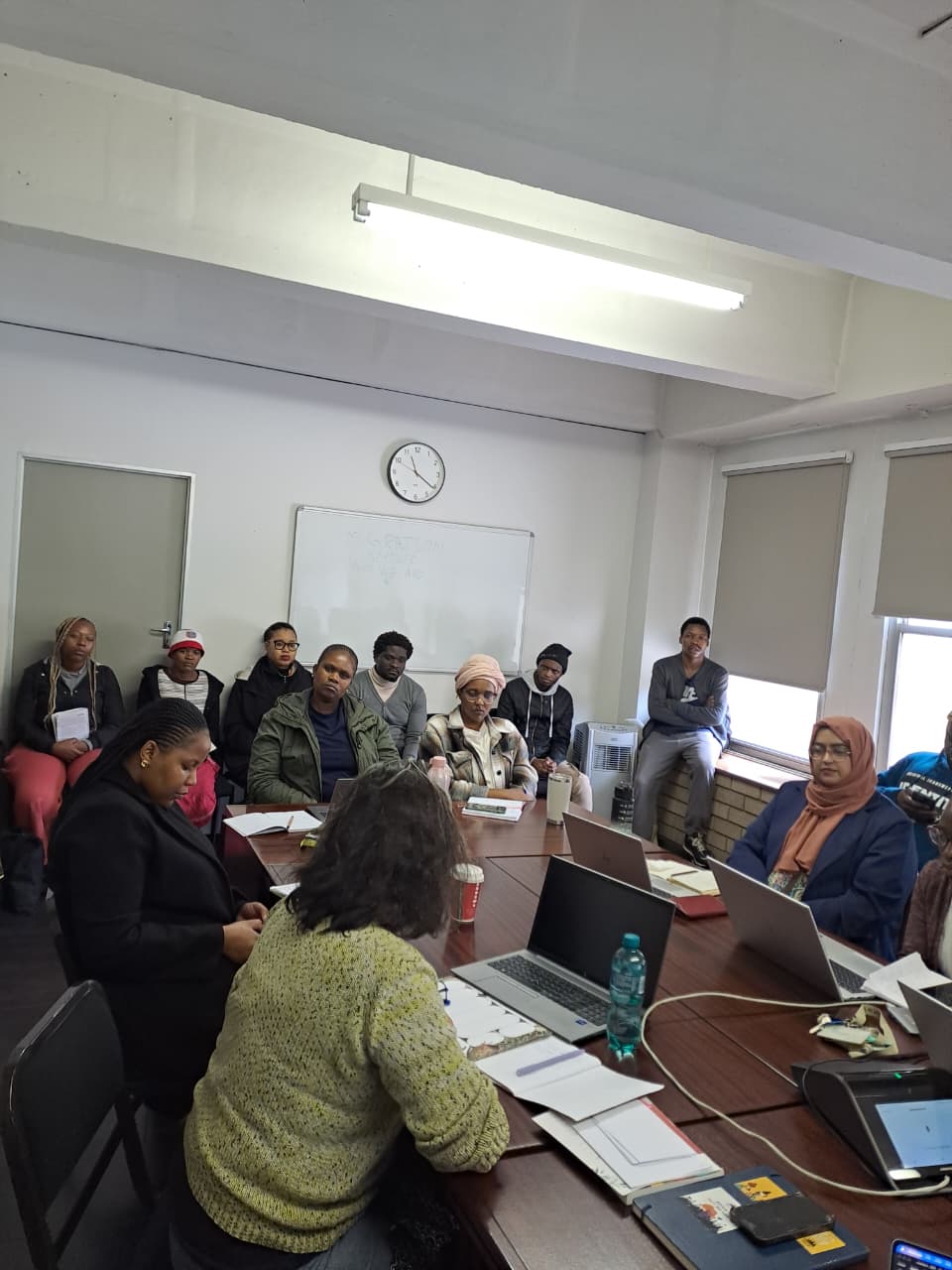
At the recent Cities in Motion: Health, Violence & Crisis webinar hosted by the African Centre for Migration & Society (ACMS) at University of the Witwatersrand (WITS), Xenowatch Project Manager, Silindile N. Mlilo presented findings from our ongoing research into denied access to healthcare.
Our data reveals a disturbing trend: health facilities in Johannesburg, Durban, and Witbank are increasingly functioning as “urban borders,” where access to care is determined not by medical need, but by nationality, documentation, and perceived belonging.
Key Insights from the Research:
- Spatial Concentration: Health xenophobia is not random; it is spatially concentrated in clinics that serve migrant communities. Durban’s Addington Hospital and its surrounding clinics have emerged as a systemic hotspot, while Johannesburg shows more dispersed but equally entrenched patterns of discrimination.
- Gendered Impact: The denial of care disproportionately affects women and children, deepening existing vulnerabilities and highlighting how gendered exclusion operates within the healthcare system.
- Failure of Law and Practice: A critical finding is that even individuals with valid documentation, such as asylum seekers and refugees, are routinely denied care. This exposes a profound gap between the rights enshrined in law and the reality of their implementation.
- A Question of Citizenship and Dignity: Ultimately, access to healthcare is more than a service delivery issue. It is a fundamental reflection of citizenship, human dignity, and the right to belong in our cities.
This research underscores the urgent need for targeted interventions, policy reform, and accountability to ensure that the right to health is a reality for all who live in South Africa.
