
What is Xenowatch?
Developed by the African Centre for Migration & Society (ACMS) at the University of Witwatersrand, Xenowatch is an open source system for information collection, visualization and interactive mapping that allows crowdsourcing of information and data on xenophobic discrimination incidents in South Africa using the following reporting methods: Email, WhatsApp and Call. Xenowatch tracks, verifies, records and analyzes all forms of xenophobic discrimination as well as responses or interventions by all relevant stakeholders including government and civil society. It serves as an early warning system that notifies authorities and civil society about threats and violence and calls for immediate and appropriate response. Xenowatch data is analyzed to identify violence causal factors and characteristics of communities at risk in ways that can inform early warning and more effective conflict prevention/resolution interventions.

Latest News
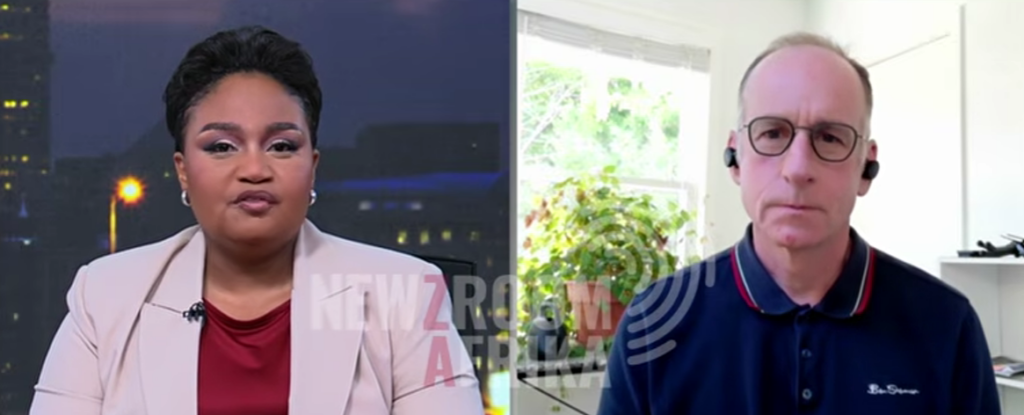
WATCH: Groups want action on illegal immigration
Justice Minister Mmamoloko Kubayi says civil society groups engaging the government have stressed they are not opposed to legal migration, but want stronger action against illegal immigration. Professor Loren Landau (SARChI in Mobility and the Politics of Difference, ACMS, Wits) joined Newzroom Afrika to unpack the government’s approach. He noted that while the government is…
Xenowatch Factsheet 3: Incidents of Xenophobic Discrimination in South Africa: 2025 – June 2026
What does the data tell us about xenophobic discrimination in South Africa between 2025 and June 2026? Xenowatch’s latest factsheet (Factsheet 3) reveals a troubling shift in the landscape of xenophobic discrimination. Access the full Factsheet 3 here.
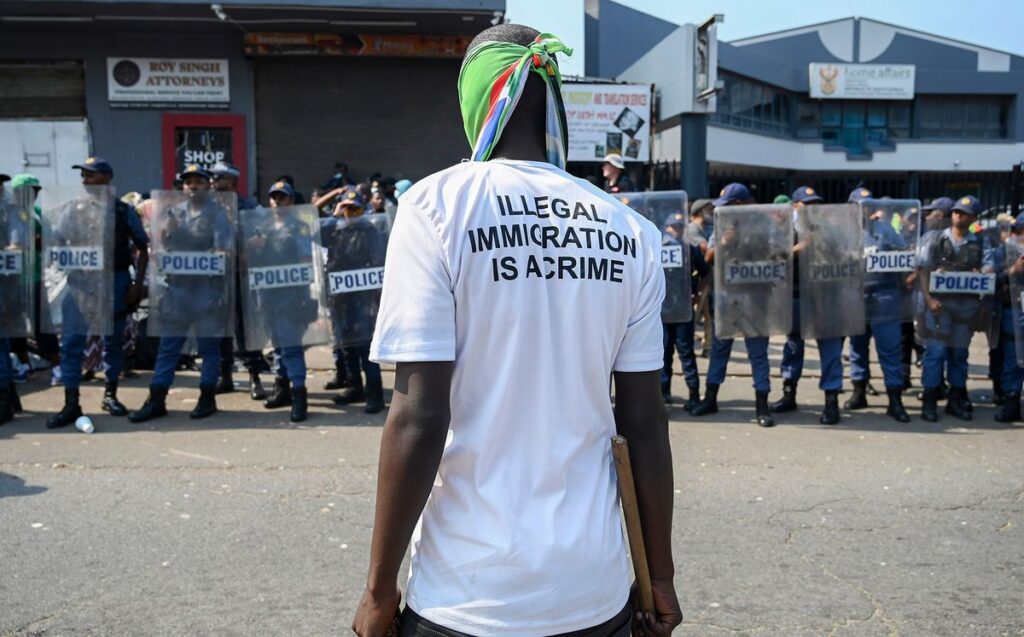
READ: What to know about the refugee ruling that sparked riots in Durban and Soweto
Violent protests erupted in Durban and Johannesburg this week following widespread misinformation about a Home Affairs directive on how asylum seekers should be processed. Professor Loren Landau (African Centre for Migration & Society, Wits University) argues that political actors across the spectrum have capitalised on anti-immigrant sentiment; helping move what was once considered fringe rhetoric…
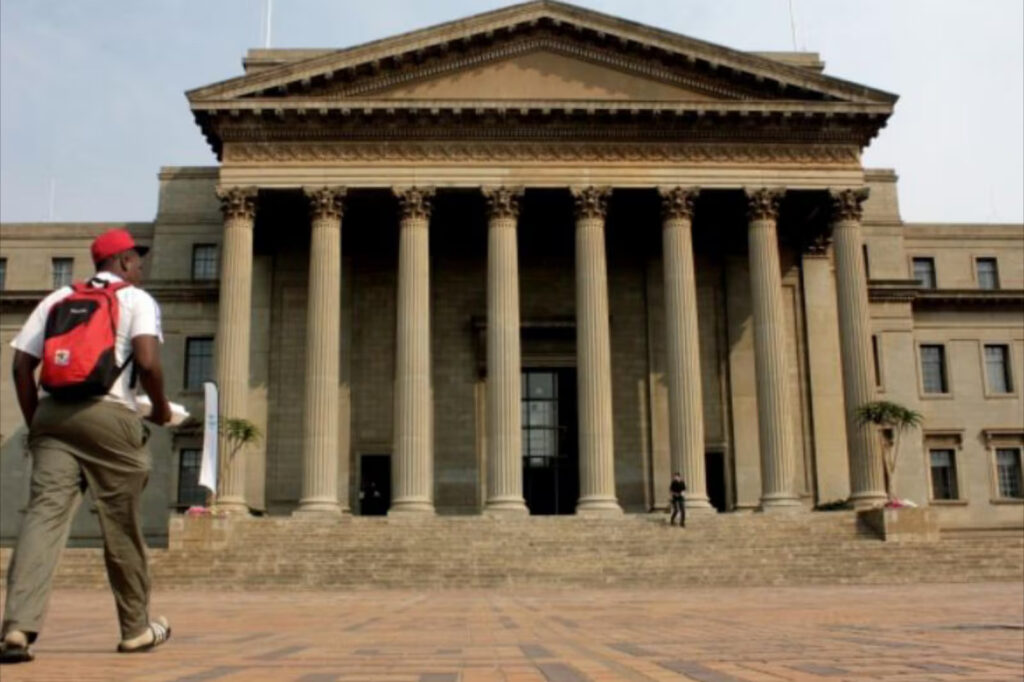
OPINION: Xenophobia in South Africa’s Ivory Towers – Adekeye Adebajo
A new Business Day opinion piece by Professor and Senior Researcher (University of Pretoria) Dr Adekeye Adebajo examines the wave of Afrophobia that swept through South Africa’s higher education sector in 2026, and the troubling hostility directed at foreign academics. The article cites data from Wits University’s African Centre for Migration & Society (ACMS), which…